

I gained 5 kilos from stress.
I really want to get back to my best weight!
- get back to their ideal/best weight
- improve their health
- feel lighter and refreshed
In this article, I share the essential foundations for people who are not satisfied with their current body shape or condition and want to return to their best weight in a natural, gentle, and sustainable way.
To Return to the Basics

Most of the people who read this article are probably not Japanese. However, since I was born and raised in Japan, I’d like to begin by sharing a Japanese perspective on food.
When we, as Japanese, think seriously about “eating,” we naturally find ourselves returning to the precious traditions of Japanese food culture that have been passed down form our ancestors. These include rice cultivation, agriculture, fermented foods such as miso, soy sauce, and pickles, as well as the blessings of the mountains and the ocean. All elements of Japan’s unique food culture, shared by living in harmony with nature.

Washoku, Japan’s traditional food culture is officially recognised as a UNESCO intangible Cultural Heritage.
The word “Washoku” is comprised of two components “Wa” and “Shoku”. “Wa” means Japan and “Shoku” means to eat. Washoku, or Japanese cuisine, is widely recognized for its ingredients that developed out of Japan’s geographical, climatic and regional features.
In December 2013, Washoku was inscribed on UNESCO’s Intangible Cultural Heritage list under the title “Traditional Dietary Cultures of the Japanese“. At that time, Washoku was defined as having four features.
Source: Ministry of Agriculture, Forestry and Fisheries (MAFF)

It’s the 13th anniversary this year!
Characteristics of Washoku
- Appreciating the natural character and flavor of each ingredient
- Nutritional balance that supports a healthy diet
- Expression of nature’s beauty and the changing seasons
- Deep connection with annual events and traditional celebrations, such as New Year’s

Just seeing this makes it clear how gently it harmonizes with the land and the people of Japan.
Rice as Light
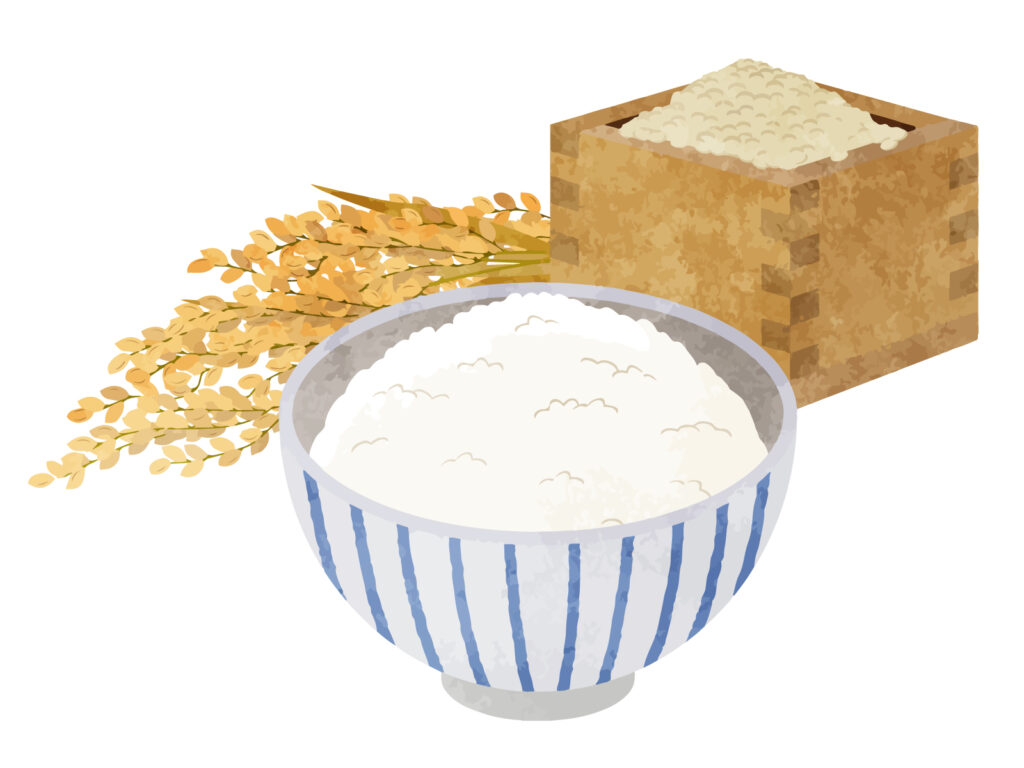
By the way, do you include rice in your diet?

I’ve heard that rice can make you gain weight, so I try not to eat too much of it.
In nutrition and various diet trends, rice is usually described as carbohydrates or sugar. But isn’t it that both correct and not the whole story?

For Japanese people, rice is the very life force that has sustained our ancestors for generations.
At Spirit Dance World, we express that as “light”.
Whaaat?!
Rice as light?!
When you eat rice, which feels more energizing?
- Viewing it as carbohydrates and 200 calories?
- As a light that gives you life, passed down through generations?
Try it yourself and feel the difference!
Shio Musubi (salted rice ball)
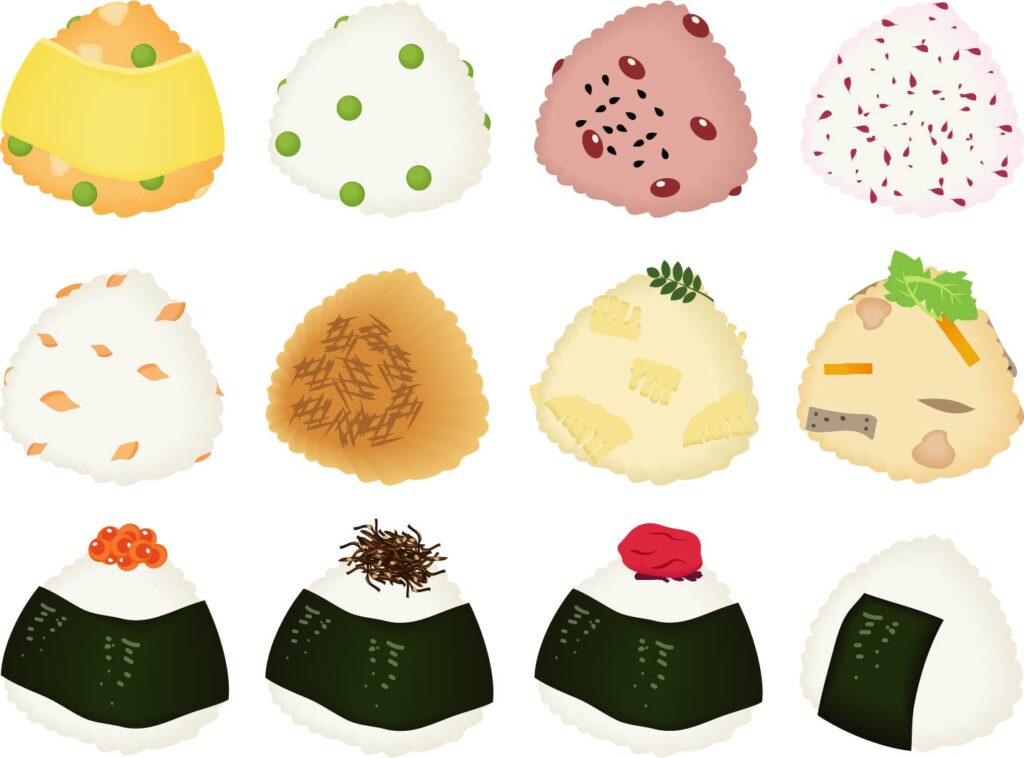
For Japanese people, when the way we relate to rice changes, our whole approach to food and eating gently transforms.
And just like the rice balls our mothers, grandmothers, and great-grandmothers used to make, the simple salted rice ball carries the heart of the Japanese people. The delicate, gentle way we adjust the salt to exactly what the body needs that sensitivity itself is the essence of being Japanese.
When we think of it as receiving light, a natural sense of gratitude begins to arise. And when we are filled with gratitude, overeating simply doesn’t happen.
For Japanese people, when a small hunger comes, a salted rice ball feels just right.

I feel like I can now return to the basics and appreciate the light.
Now, let’s come back to you. Rice may not be the food that helps you feel a connection to your ancestors or to the life that has been passed down to you. However, I encourage you to explore what your ancestors ate and to feel gratitude for the life they carried forward. And give yourself a little space to see food as light, not merely as calories.
In doing so, you may begin to notice the small gap between how you treat your food and how you treat your body. Overeating and unintentional eating habits can arise when we become distant from our body and life itself.
At its core, eating is an act of carrying life forward.
I hope you enjoy discovering a new perspective on food and eating!
Summary
For Japanese people, eating is an act of honoring nature and living in harmony with the land and its people. Rice is the life force that has been passed down through generations, a light that gives us gratitude.
When we receive this light, feelings of gratitude and gentleness arise, and we can return to our basics to who we are.
A gentle recommendation for the reader is to reconnect with their ancestors and to see food as light.
コメント